
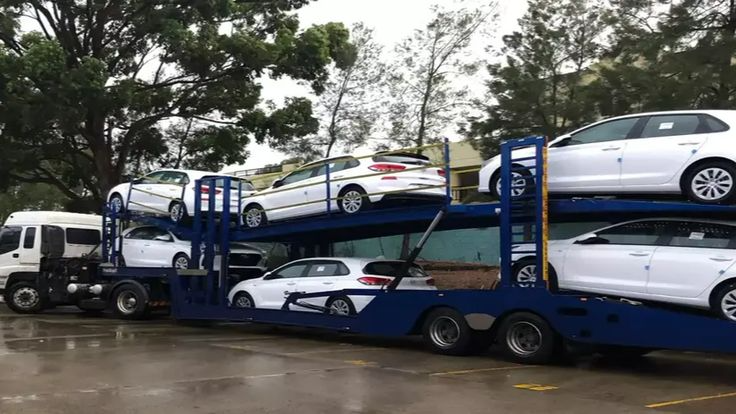
A Complete Guide to State-to-State Car Shipping
Moving a vehicle between states can be challenging if you are also coordinating a household move, starting a new job, buying a car remotely, or planning a long-distance relocation. State-to-state car shipping provides an alternative to driving the vehicle yourself.
With the right preparation, interstate auto transport can help simplify your move and reduce the time you spend on the road.
What Is State-to-State Auto Transport?
State-to-state auto transport involves moving a vehicle from one state to another using a vehicle carrier. For example, a customer relocating from Worcester, Massachusetts, to another state may arrange for a carrier to collect the vehicle near their current home and deliver it near their destination.
The service may be arranged through a transportation company, a licensed broker, or a motor carrier, depending on the provider’s business model.
Before booking, establish who is responsible for arranging transportation, who will physically carry the vehicle, and which terms govern the shipment.
Step 1: Request a Car Shipping Quote
Begin by providing the pickup and delivery locations, vehicle year, make and model, preferred dates, and requested transport type.
Mention whether the vehicle is operational. If it has mechanical problems, unusually low ground clearance, oversized dimensions, or modifications, explain those details as well.
An accurate quote depends on the shipment information, route conditions, carrier availability, and the service selected. Ask which charges are included and whether additional fees could apply.
Step 2: Choose the Right Transport Method
Open car transport is a common option for standard vehicles and is often the more economical choice.
Enclosed car transport provides a covered environment and may be preferred for classic, luxury, collectible, or other high-value vehicles.
You should also determine whether door-to-door service is available for both addresses. Road access and carrier restrictions can affect the final meeting points.
Step 3: Confirm the Booking Details
Before agreeing to a shipment, review the pickup window, estimated transit time, payment schedule, cancellation policy, and any conditions that could affect the final price.
Ask for written confirmation of the agreed services. If a third-party carrier will handle the vehicle, clarify when its identity and contact information will be provided.
Avoid relying on an unconfirmed delivery estimate when arranging important travel or moving dates.
Step 4: Prepare Your Vehicle
Remove personal belongings and valuables, unless their transport has been specifically authorized. Take clear photographs of the vehicle’s exterior and document existing damage.
Check that the vehicle is in the agreed condition for loading. If it is not operational, tell the provider before booking so suitable equipment can be arranged.
Remove or secure loose exterior accessories, disable toll devices where appropriate, and leave the fuel level at the amount specified by your carrier.
Step 5: Complete the Pickup Inspection
At pickup, inspect the vehicle with the driver and review the condition report or bill of lading. Make sure existing scratches, dents, and other visible damage are recorded accurately.
Keep a copy of the inspection documents and take additional photographs if necessary. Ask the driver or provider about the procedure for reporting a concern during transit.
Step 6: Coordinate Delivery
Stay reachable during the estimated delivery period. Make sure the delivery location can accommodate the vehicle carrier and have someone available to receive the vehicle if you cannot attend personally and the provider permits an authorized representative.
At delivery, compare the vehicle’s condition against the original inspection record before completing the applicable paperwork. If you notice new damage, document it on the delivery paperwork and follow the carrier’s written claim procedure promptly.
Do not assume that every issue is handled through the same claims process; the relevant contract and insurance arrangements matter.
What Affects Interstate Car Shipping Time and Cost?
Several factors can affect the price and schedule of state-to-state vehicle transportation, including distance, route demand, vehicle size, carrier type, pickup accessibility, weather, seasonality, and carrier availability.
Long-distance shipments often require multiple days, but the actual transit time varies. Ask for a realistic estimate for your particular route rather than relying on a universal delivery promise.
Why Plan Ahead?
Booking in advance gives you more time to compare transportation methods, coordinate access to both addresses, and prepare your vehicle. If your schedule is flexible, tell the provider so available pickup options can be considered.
Arrange Your Shipment With Car Pro Shipping
Car Pro Shipping provides open car transport, enclosed car transport, door-to-door auto transport, and state-to-state auto transport options for customers in Worcester, Massachusetts, and eligible routes.
To discuss your interstate shipment, call (508) 456-9765. Have your route details and vehicle information ready so the provider can explain the available options, expected schedule, and applicable terms.